
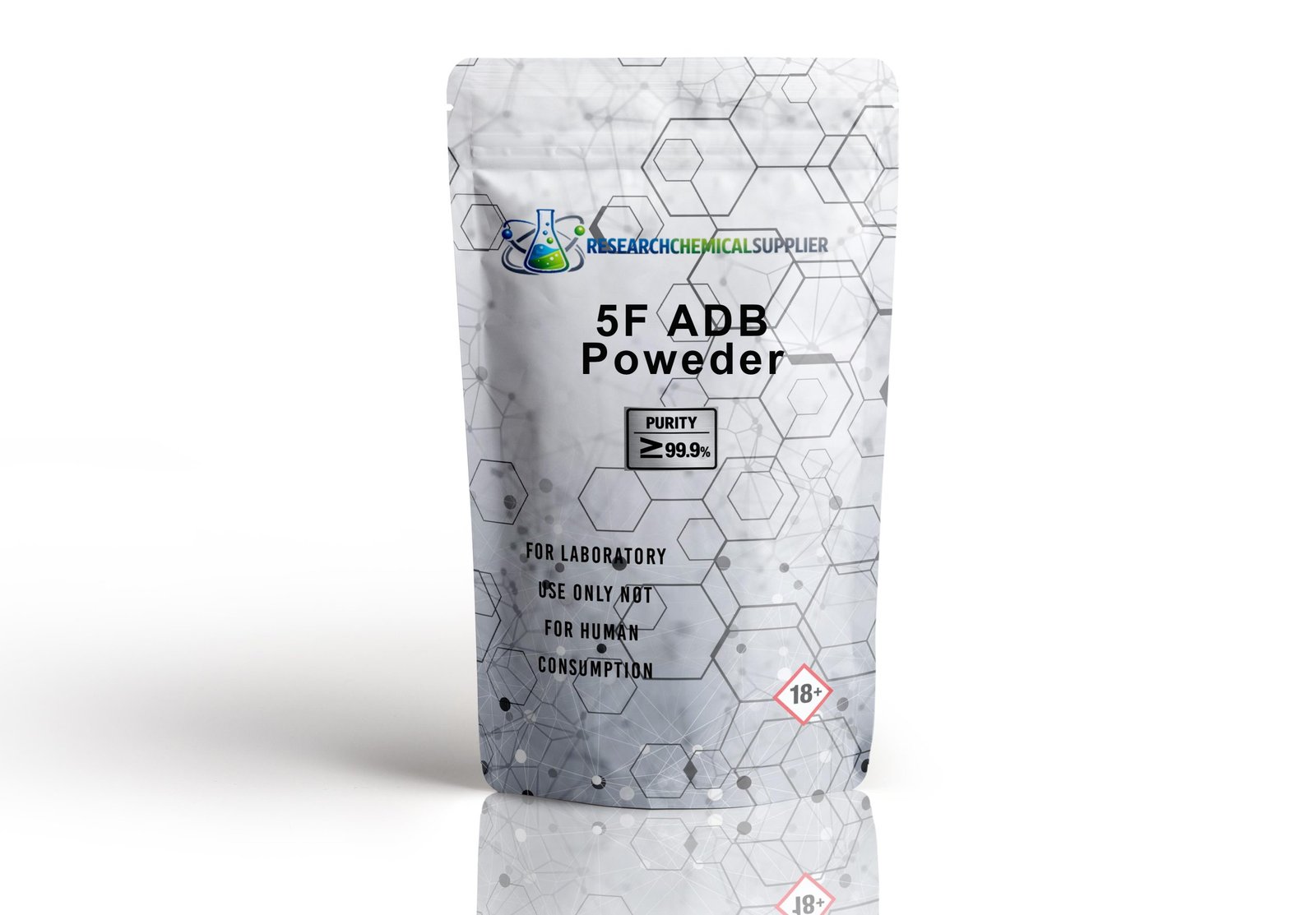
Product Name: 5F-ADB (also known as 5F-MDMB-PINACA)
Chemical Name: Methyl (S)-2-[1-(5-fluoropentyl)-1H-indazole-3-carboxamido]-3,3-dimethylbutanoate
CAS Number: 1715016-75-3
Molecular Formula: C20H28FN3O3
Molecular Weight: 377.46 g/mol
Overview
5F-ADB is a synthetic cannabinoid belonging to the indazole-3-carboxamide family. Originally identified in late 2014 by forensic authorities in Japan, it was found to be an active ingredient in “herbal incense” products. It is structurally characterized by a fluorinated pentyl chain and a tert-leucinate moiety, which contribute to its high affinity for cannabinoid receptors .
Pharmacological Profile
As a full agonist of the cannabinoid CB1 receptor, 5F-ADB exhibits significantly higher potency than natural THC or earlier generations of synthetic cannabinoids. Binding affinity studies indicate a Kᵢ value in the low nanomolar range (e.g., 1.5 nM), making it substantially more potent than many controlled substances . Unlike THC, which is a partial agonist, the full agonism of 5F-ADB is associated with a higher risk of severe adverse effects, including toxicity and fatality .
Legal Status
Due to its high abuse potential and lack of accepted medical treatment use, 5F-ADB is strictly regulated:
-
United States: Schedule I Controlled Substance (DEA) .
-
International: Recommended for Schedule II by the WHO (ECDD) under the UN Convention on Psychotropic Substances of 1971 .
-
Japan: Added to the banned drug list in December 2014 .
Forensic & Research Applications
This product is intended for in vitro research and forensic toxicology applications only. It is not for human or veterinary use. Analytical standards like 5F-ADB are critical for:
-
Urine Drug Testing: Identifying metabolites (specifically the 3,3-dimethylbutanoic acid metabolite) in biological matrices .
-
Mass Spectrometry: Use as a reference standard in LC-MS/MS and GC-MS for the identification of novel psychoactive substances (NPS) in seized materials and biological samples .
-
Metabolite Studies: Understanding the metabolic degradation pathways to aid in clinical toxicology .
Safety & Hazards
5F-ADB is classified as extremely hazardous. Toxicology reports highlight a rapid onset of severe symptoms including tachycardia, psychomotor agitation, seizure, acute psychosis, and loss of consciousness. It has been linked to numerous fatalities and hospitalizations globally . Warning: This compound is rapidly metabolized and degrades in blood; forensic analysis often requires monitoring of specific metabolites rather than the parent compound .
Storage & Handling
-
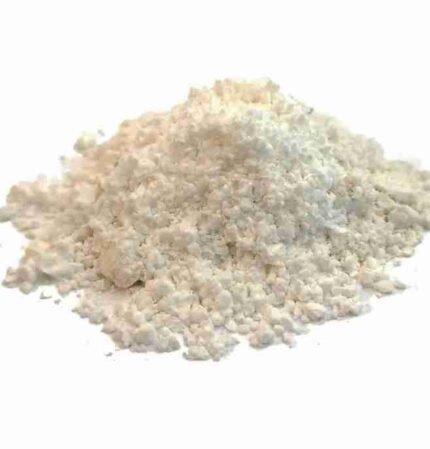
Appearance: Solid powder .
-
Purity: ≥99% .
-
Storage: Store at -20°C (freezer) for long-term stability (up to 3 years). For short-term storage (2 years), keep at 4°C. Protect from light and moisture .
Disclaimer: This information is for scientific and educational reference only.











Reviews
There are no reviews yet.